Cane House Plants: A Guide to Adding Verticality and Texture to Your Home
Are you looking for a way to add some height and texture to your home decor? Look no further than cane house plants. These tall, sturdy plants are known for their distinctive vertical growth pattern and ability to add a touch of nature to any room. In this guide, we'll explore everything you need to know about cane house plants - from how to care for them to the best varieties for different spaces in your home.
Introduction to Cane House Plants
Cane house plants are a type of tropical plant that are prized for their unique appearance and ease of care. They get their name from the thick, woody stems that grow vertically, resembling bamboo canes. While they are native to tropical regions, they can thrive in indoor environments with proper care.
One of the reasons why cane house plants are so popular is because they are incredibly versatile. They come in a wide range of sizes, shapes, and colors, making it easy to find one that fits your specific space and aesthetic preferences. Plus, they are relatively low-maintenance compared to other types of houseplants, making them a great option for busy people or those who are new to gardening.
Now that you have an idea of what cane house plants are, let's dive into the specifics of how to care for them.
Choosing the Right Cane House Plant
Before you rush out to buy a cane house plant, it's important to consider which variety is right for you. Some of the most popular varieties include:
- Dracaena fragrans (also known as "corn plant")
- Ficus lyrata (also known as "fiddle leaf fig")
- Schefflera actinophylla (also known as "umbrella tree")
- Dieffenbachia seguine (also known as "dumb cane")
Each of these varieties has its own unique look and care requirements. For example, the fiddle leaf fig is known for its large, waxy leaves and requires bright, indirect sunlight to thrive. On the other hand, the umbrella tree prefers lower light levels and can tolerate slightly cooler temperatures.
When choosing a cane house plant, consider factors such as the amount of natural light in your home, the temperature and humidity levels, and how much time you have to devote to care. This will help ensure that you choose a variety that is well-suited to your specific living space.
Caring for Cane House Plants
Caring for cane house plants is relatively straightforward, but there are a few key things to keep in mind. Here are some tips:
- Light: Most cane house plants prefer bright, indirect sunlight. Avoid placing them in direct sunlight, as this can cause their leaves to scorch.
- Watering: Allow the soil to dry out slightly between waterings. Overwatering can lead to root rot, which is one of the most common causes of death in cane house plants.
- Humidity: Cane house plants prefer high humidity levels. If the air in your home is dry, consider using a humidifier or placing a tray of water near the plant to increase moisture levels.
- Fertilizer: Feed your cane house plant with a balanced fertilizer once a month during the growing season (spring and summer).
In addition to these general care tips, it's important to be aware of any specific needs that your particular variety of cane house plant may have. For example, some varieties are more sensitive to changes in temperature or humidity levels.
Propagating Cane House Plants
If you want to expand your collection of cane house plants without spending a lot of money, propagating them is a great option. Here's how to do it:
- Cut a healthy stem from the parent plant, making sure to include a node (the spot where leaves emerge from the stem).
- Place the cutting in a container filled with water or moist soil.
- Keep the cutting in bright, indirect light and maintain consistently moist soil/water.
- Wait for roots to develop (this can take several weeks to a few months).
- Once roots have developed, transplant the new plant into a pot with well-draining soil.
Common Pests and Problems
Like any houseplant, cane house plants are susceptible to a variety of pests and problems. Here are some of the most common issues you may encounter:
- Spider mites: These tiny insects can cause yellowing leaves and webbing on the plant's surface. To get rid of them, wash the plant with a solution of water and dish soap.
- Mealybugs: These white, fuzzy insects can be found on the undersides of leaves and along stems. Use a cotton swab dipped in rubbing alcohol to remove them.
- Root rot: Overwatering can lead to root rot, which is characterized by wilting leaves and a foul odor. If you suspect root rot, remove the affected plant from its pot and trim away any affected roots before repotting in fresh soil.
Using Cane House Plants in Your Home Decor
One of the great things about cane house plants is that they can be used in a variety of ways to enhance your home decor. Here are some ideas to inspire you:
- Use a tall cane house plant as a statement piece in an empty corner of a room.
- Group several smaller cane house plants together on a tabletop or shelf to create a lush, tropical display.
- Use cane house plants to add texture to a minimalist space.
- Pair a cane house plant with a colorful pot to add a pop of color to your decor.
No matter how you choose to incorporate cane house plants into your home, they are sure to add a touch of natural beauty and texture.
Cane house plants are a great option for anyone looking to add some height and texture to their home decor. With their distinctive vertical growth pattern and ease of care, they are a versatile choice that can thrive in a variety of indoor environments. Whether you're a seasoned gardener or new to houseplants, there is sure to be a cane house plant variety that is perfect for your space and aesthetic preferences.
Frequently Asked Questions
Q: Can cane house plants grow in low light?
A: While most cane house plants prefer bright, indirect sunlight, there are some varieties that can tolerate lower light levels. Consider choosing a variety such as the umbrella tree or snake plant if you have limited natural light in your home.
Q: How often should I water my cane house plant?
A: Allow the soil to dry out slightly between waterings. Depending on factors such as humidity levels and pot size, this may mean watering once a week or once every few weeks.
Q: What causes yellow leaves on cane house plants?
A: Yellowing leaves can be caused by a variety of factors, such as overwatering, underwatering, or exposure to cold temperatures. Evaluate your plant's growing conditions to determine the cause and adjust accordingly.
Q: What should I do if my cane house plant is too tall?
A: If your cane house plant is getting too tall for its current space, you can prune it back to encourage bushier growth. Use sharp, clean shears to make cuts just above a node (the spot where leaves emerge from the stem).
Q: Can cane house plants be grown outside?
A: While cane house plants are typically grown indoors, some varieties can be grown outdoors in warm, tropical climates.
Q: What is the best soil for cane house plants?
A: Cane house plants prefer well-draining soil that is rich in organic matter, such as a mixture of peat moss and perlite.
Q: Can I propagate a cane house plant from a leaf cutting?
A: No, cane house plants cannot be propagated from leaf cuttings. Instead, propagate them from stem cuttings with nodes.
Q: Do cane house plants require a lot of maintenance?
A: While they do require some care, cane house plants are generally low-maintenance compared to other types of houseplants.
Q: What is the best way to fertilize a cane house plant?
A: Feed your cane house plant with a balanced fertilizer once a month during the growing season (spring and summer). Be sure to follow the instructions on the fertilizer packaging.
Q: Are cane house plants poisonous to pets?
A: Some varieties of cane house plants, such as dumb cane, can be toxic to pets if ingested. If you have pets, be sure to research the toxicity of any plants you bring into your home.
14 Cane house plants Images

Dumb Cane Dieffenbachia House Plant Care Pictures House Plant Care

Pin On Gardening Ideas

Dumb Cane Plant Dieffenbachia Amoena This Appears To Be A Dumb Cane

Mass Cane Floor Plant Corn Plant Care Corn Plant Floor Plants

16 Best Plants That Thrive In Your Bathroom Plants Common House

Dumb Cane Plants House Plants Decor Plant Identification

Pin On Plants For Micro Environment

Dieffenbachia Dumb Cane House Plants Cool Plants Plants

How To Care For Mass Cane Aka Corn Plant Or Dracaena Massangeana
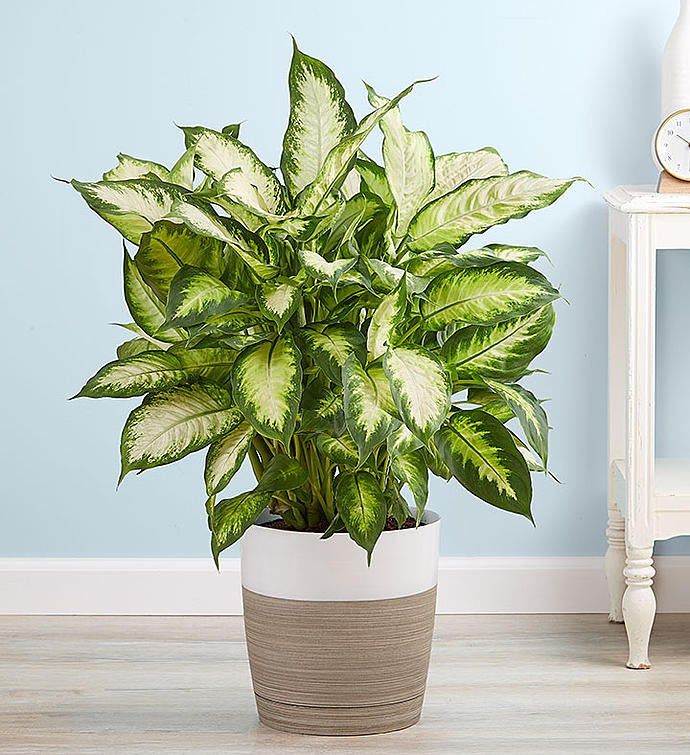
Dumb Cane Plant Care Dumb Cane Plant Care Houseplant Plants

Dieffenbachia Plant Plants Plant Leaves Dumb Cane Plant

Yucca Cane

Dracaena Marginata Cane House Plant Shop Dracaena Plant Common

How To Care For Dieffenbachia Dumb Cane Plants Dumb Cane House
Post a Comment for "Cane House Plants: A Guide to Adding Verticality and Texture to Your Home"